Who Is Seina Imamura? The Female Jockey Everyone Wants to Know
The Real Story Behind Japan’s Oaks Winner
From a racing childhood to a record-setting first season, a costly suspension and shoulder surgery, Seina Imamura's career had already taken several sharp turns before she won the Japanese Oaks at 22.
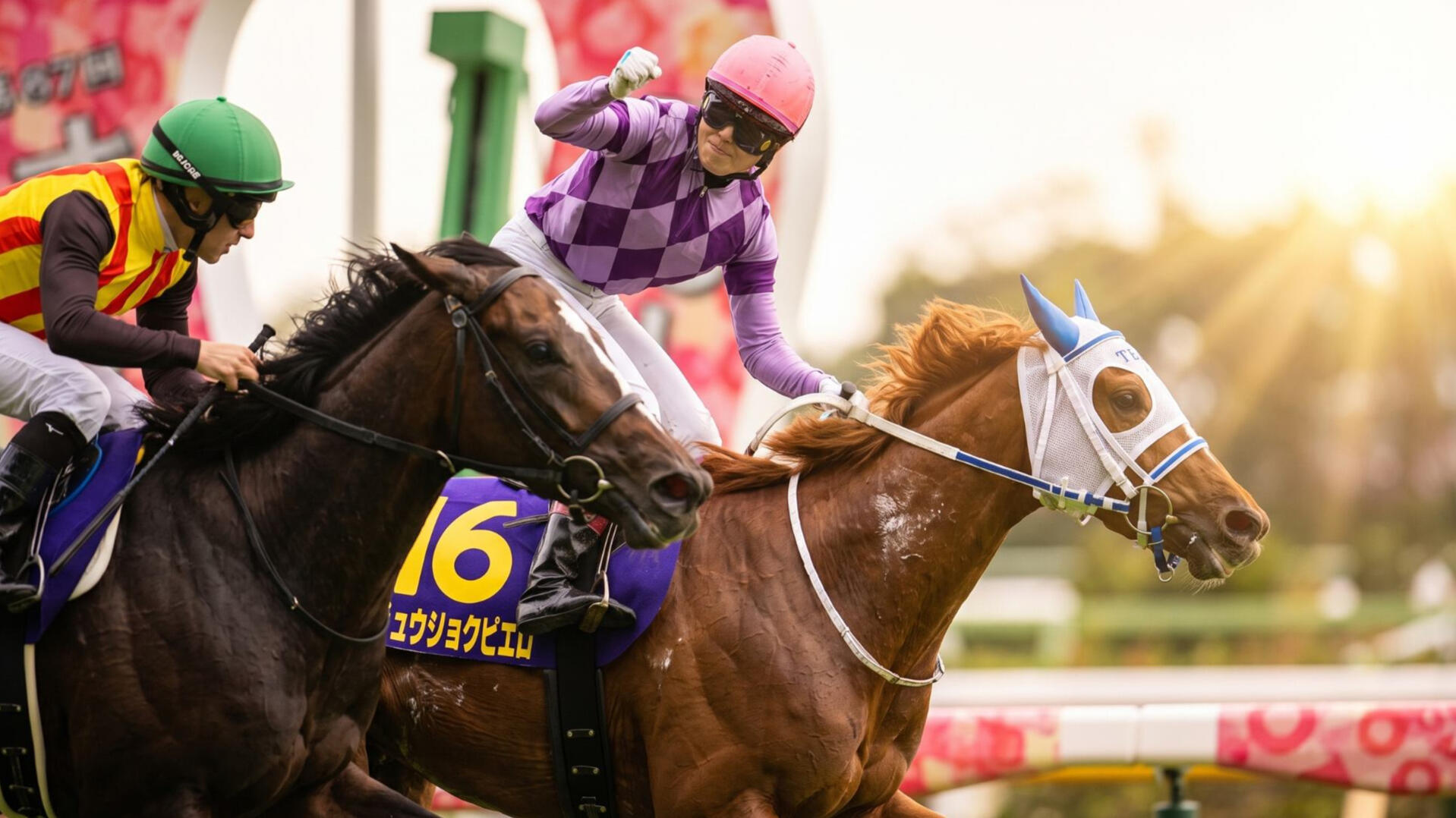
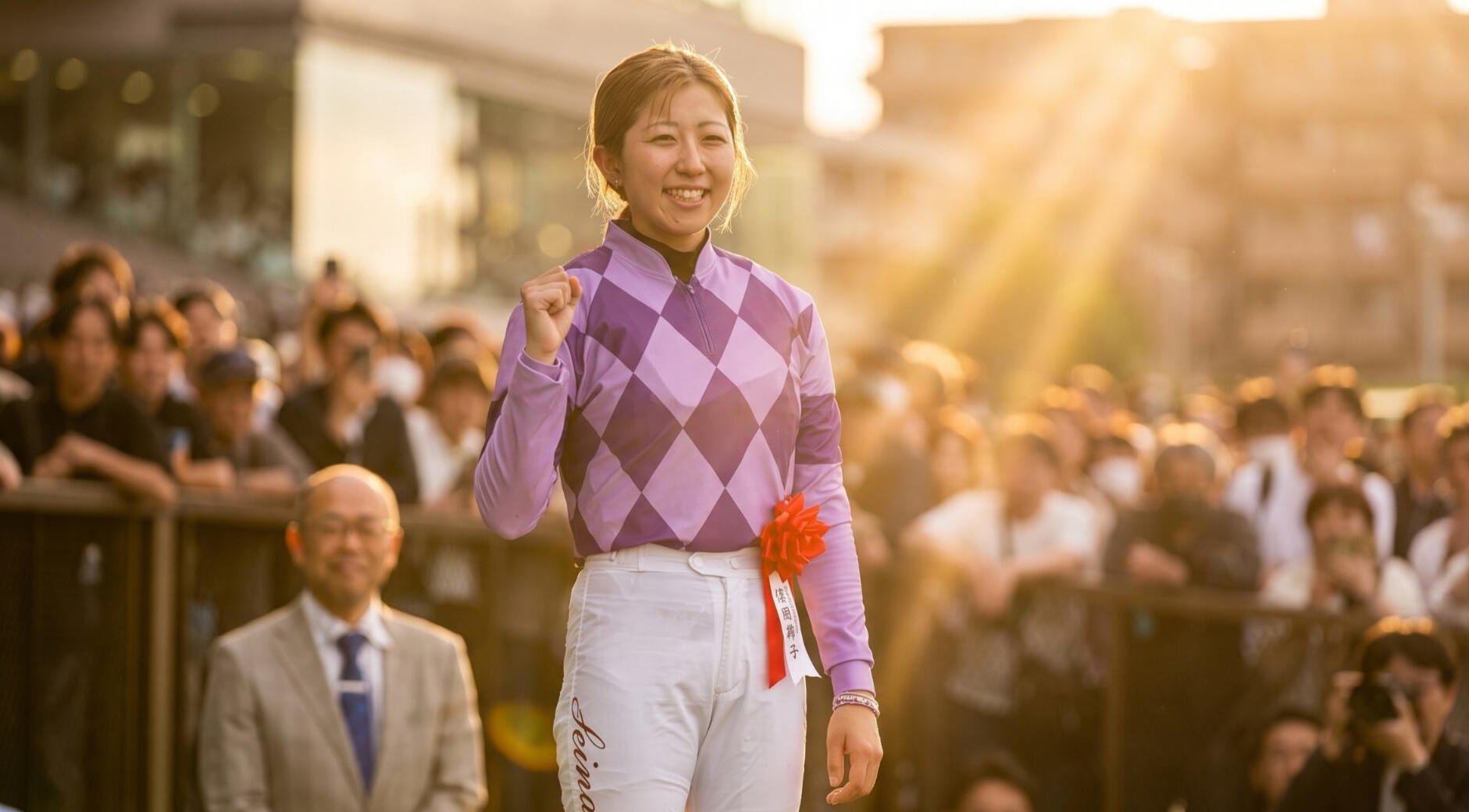
At 18, Seina Imamura won 51 races in her first season as a professional jockey in Japan.Two years later, she won six.Between those two numbers came a graded-race victory in record time, national attention, a month-long suspension for improper smartphone use and a shoulder injury serious enough to require surgery. Before she had even reached her 22nd birthday, Imamura had already experienced the sort of career swings that some sportspeople take decades to encounter.Then came Tokyo.On May 24, 2026, Imamura rode Juryoku Pierrot in the Japanese Oaks, one of the major Classics of the Japanese Flat season. Christophe Lemaire was alongside her on Dream Core, one of the best jockeys in the world riding on a track he knows exceptionally well.At the finish, Juryoku Pierrot had a neck to spare.Imamura had become the first Japanese woman to win a JRA Grade 1 race.“It’s like I’m dreaming!” she said afterwards.For anyone who had followed her from the start, there was something fitting about the moment. Imamura had never seemed particularly interested in being congratulated simply for doing well as a woman in a male-dominated sport. At racing school, she hated finishing second and hated even more the suggestion that second should somehow count for more because she was a girl.“I really dislike being judged through the lens of being a girl,” she once said.She wanted to be judged as a jockey.At Tokyo, aged 22, the result made a very strong case for doing exactly that.Yet the Japanese Oaks means more when you know what happened before it.Imamura’s story is not simply about a gifted young jockey breaking a record. It is about what happened after the records started coming easily, what happened when they stopped coming, and how a rider who had become one of Japanese racing’s most talked-about young names had to start building herself back up again.
Racing Was Already Part of the Family
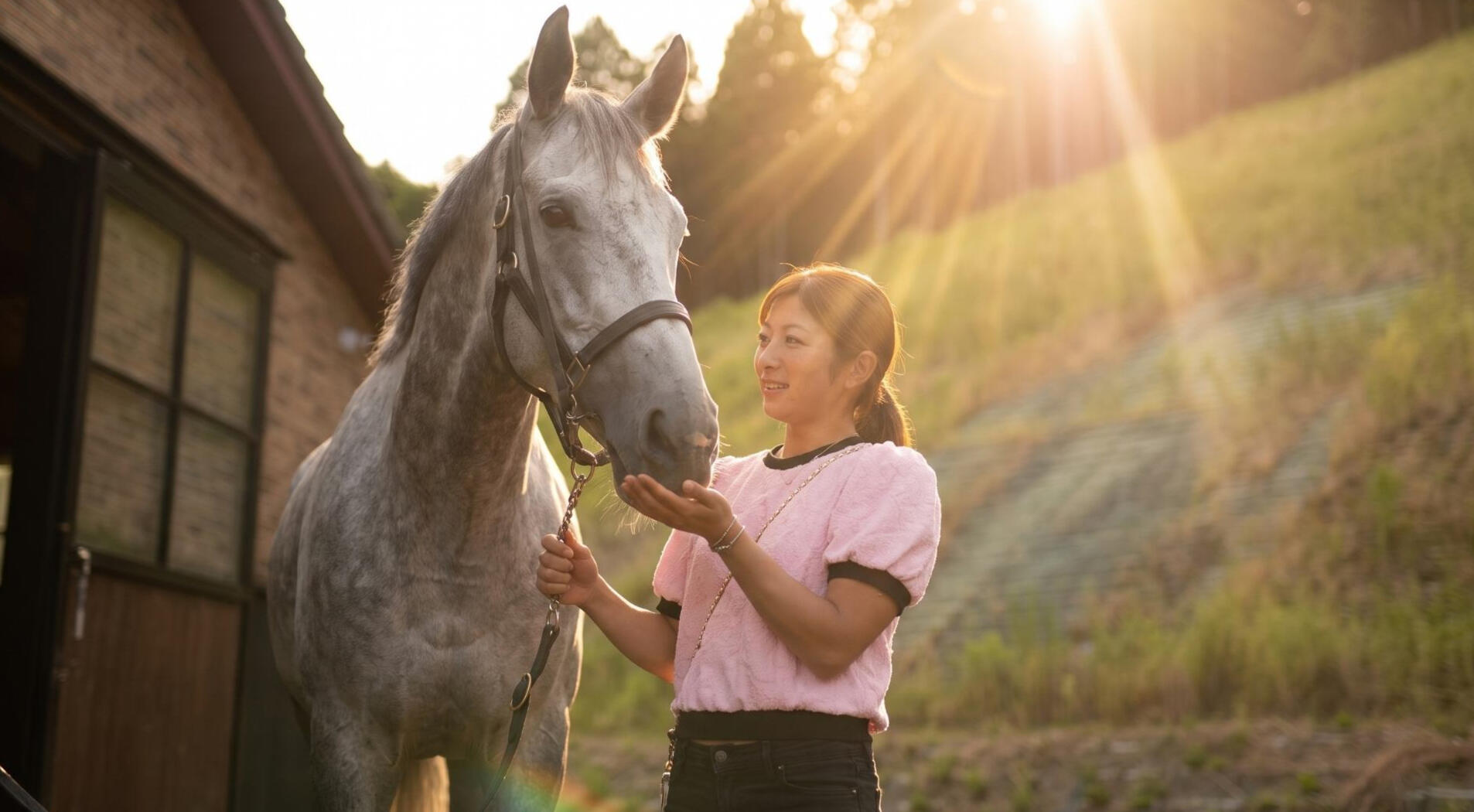
For Seina Imamura, racing was never some distant sport watched from the other side of a television screen.Her father, Yasunari Imamura, had been a jockey himself and won the 2001 Nakayama Daishogai on Yufu Yoho. After finishing his riding career, he continued working with racehorses as a training assistant at Yuji Iida’s stable.Seina, born in Shiga Prefecture on November 28, 2003, therefore grew up close enough to racing to see more than the glamorous part.She knew that behind a winning horse were trainers, stable staff, riders and families who might have spent months or years working towards an afternoon that lasted only a few minutes.One horse in particular stayed with her.Her father worked with Meisho Mambo after leaving race riding, and in 2013 the filly won the Japanese Oaks under Koshiro Take.For the young Imamura, what stood out was not simply that Meisho Mambo had won a major race. She became interested in what victories meant to the people around the horse.Years later, that connection would acquire a remarkable extra layer when Imamura won the same Classic herself.At that stage, though, becoming a jockey still required convincing the man in the family who knew exactly what the profession involved.Her mother supported the idea. Her father was more cautious.That is understandable. A former jockey does not need anyone to explain the risks of riding racehorses at speed. He knew about the falls, injuries, pressure, weight control and constant competition for rides.Eventually, his daughter convinced him.She had begun riding in the fifth year of primary school and took part in pony racing. Gymnastics and volleyball had also featured in her childhood, but horses were where her sporting future increasingly seemed to sit.The family connection may have given her an introduction, but it was not going to earn her a licence.That part was hers.
The Girl Who Hated Finishing Second
Imamura entered the JRA Racing School at Shiroi in Chiba on April 2, 2019.She was 15.There had been 110 applicants. Nine were accepted.Imamura was the only girl.Some English accounts have placed her entry into the school in 2018, but contemporary reporting of the entrance ceremony gives the date as April 2019.Racing school also produced one of the details that tells you more about Imamura than a list of winners probably ever could.She kept finishing second to Taiga Tsunoda in riding tests.Tsunoda was a friend, which was useful when they were living and training away from home. He was also the person whose name Imamura kept seeing above her own.She hated it.When it was suggested during an interview that finishing second was still impressive for a girl competing against boys, Imamura did not seem interested in accepting the consolation.“I really dislike being judged through the lens of being a girl.”It is probably the single quote that best explains how she wanted her career to be seen.She did not want easier horses. She did not want her results adjusted for context. She did not want second place turned into some sort of moral win because the person in front happened to be male.She wanted first.Imamura had known Tsunoda and Yuga Okubo for years, and having friends around helped her avoid becoming homesick. That did not stop the competition.She could like somebody and still badly want to beat them.There is a useful glimpse of the adult jockey in that teenage attitude. Imamura has rarely come across as someone interested in pretending she is less competitive than she really is.The JRA Racing School would teach her the technical side of the profession. What it could not do was guarantee that trainers and owners would put her on good horses once she graduated.Passing was one test.Making people want to book her was the next.
Seventeen Rides To Find The First Winner
Imamura made her professional debut at Hanshin on March 5, 2022.Her first ride was Ringing Phone in the opening race of the card.They finished eighth of 14.Rather than treating the debut itself as the important part, Imamura immediately found something she believed she had done wrong. She felt she had allowed Ringing Phone to go too wide around the final turn.Eight days later, she had something better to study.Bravio won at Hanshin, giving Imamura the first victory of her career on her 17th ride.It had not exactly been a long wait, but to an 18-year-old jockey desperate to establish herself, 16 losing rides could still feel long enough.Her opening weekend had produced ten rides without a winner. March eventually brought four victories, only for April to pass without another one.This is the part that can disappear when an outstanding rookie season is later reduced to statistics.We know Imamura finished 2022 with 51 JRA wins, so it is easy to assume the winners began in March and simply kept arriving.They did not.She watched recordings of her races, looked for mistakes and sought advice from more experienced jockeys. Yuichi Fukunaga became one of the senior riders she turned to for help.She also concentrated more of her efforts on Niigata.It worked.By the end of the year, Niigata would be one of the places most closely tied to her first-season success.First, though, came Kokura.
The Afternoon Everyone Started Paying Attention
On July 3, 2022, Imamura arrived at Kokura with fewer than four months of professional racing behind her.She left having won her first graded race.T M Spada, trained by Tadao Igarashi, was a very fast three-year-old filly entered in the Grade 3 CBC Sho over 1,200 metres.Imamura sent her forward.The filly carried 48kg, a light weight under the conditions of the handicap. Importantly, this was not an extra female apprentice allowance being taken from the horse in a graded event. It was the racing weight T M Spada had been assigned.Once the stalls opened, Imamura allowed the filly to use her speed.T M Spada won in 1 minute 5.8 seconds.It was a Japanese record, lowering the previous mark by two-tenths of a second.For Imamura, this was also her first ride in a JRA graded race.Since the Japanese grading system was introduced in 1984, she became only the fourth rookie to win on a first graded-race ride. She was also the first JRA-based woman to win a graded race on turf.Nanako Fujita had previously recorded graded success on dirt.Suddenly, the 18-year-old rookie was not simply an interesting new name.People had a reason to watch.There is always a risk with an early victory like this. One spectacular afternoon can become the whole story, particularly when the rider involved is young and already attracting attention for reasons beyond results.Yet Imamura’s 2022 season was far more substantial than one sprint at Kokura.She kept winning.51 Winners and a Rookie Season to RememberBy the end of her first JRA season, Imamura had ridden 51 winners from 606 rides.That worked out at an 8.4 per cent strike rate.She was the newcomer with the most wins and received the associated JRA award. Taiga Tsunoda, the old racing-school rival who had kept beating her in those riding tests, won a special newcomer award after riding 36 winners.This time, Imamura had finished above him.Niigata had also become an important part of the season. She rode 19 winners there and finished as the track’s leading jockey for the year.Some profiles list Imamura as having ridden 55 winners in 2022 rather than 51. Both figures can appear correct depending on what is being counted.The 51 figure covers JRA racing.The larger number includes four victories in Japan’s separate local racing system.Japan has central racing organised by the Japan Racing Association and local-government racing under the broader National Association of Racing structure. Jockeys can ride in both, which is why totals can sometimes look different depending on the database or profile being used.For Imamura, the distinction would later become important when she reached 100 winners.The first season was not flawless.Her first Grade 1 ride came aboard Sukaparadise in the Hopeful Stakes at Nakayama on December 28. They finished 18th.It was a reminder that winning a Grade 3 at the first attempt did not mean every higher-level race was suddenly going to work out.Still, 51 JRA winners, a graded success, a track riding title and the leading newcomer award represented a huge first year.Imamura was 19 by the time the season ended.The problem with making professional sport look easy at 18 is that everybody expects you to do it again.
Fame Arrived Almost as Quickly as the Winners
There was now another side to being Seina Imamura.In August 2022, entertainment agency Horipro announced that it would handle her media and event management.She remained attached to trainer Ryo Terashima, but Imamura was no longer known only among trainers, owners and racing fans.Her management page would eventually promote athlete cards and other products linked to her career, including a cap celebrating her 100th victory.This was all happening while she was still learning how to be a professional jockey.Imamura could also sound refreshingly star-struck herself.She recalled lining up in the stalls beside Yutaka Take and thinking how impressive he looked.This was somebody she admired, except she was no longer watching him from a distance.She was racing against him.There is something important in that detail. Imamura could desperately want to beat the riders around her without losing the feeling that being among them was special.In 2022, it must have seemed as though almost everything was happening at once.Then came 2023.The Smartphone SuspensionIn May 2023, Imamura was one of six young jockeys suspended by the JRA for improper use of smartphones.Her suspension lasted for 30 days, running from May 13 until June 11 and covering ten JRA racing days.Published reports of the JRA findings said Imamura had taken a smartphone into the jockeys’ room, used the internet and communicated with another jockey from accommodation connected with race meetings.These actions broke strict communication rules.It was a serious mistake, and the punishment cost her a month of racing.It is also important to be accurate about what was found.The reported offence concerned improper phone use and communication. It was not a finding of race-fixing or a betting offence.There is no need to make the story bigger than it was. A professional jockey had broken a clear rule and was suspended for it.For Imamura, the timing could hardly have been worse.She had spent her first season becoming one of Japanese racing’s most watched young riders. Now the attention was focused on an entirely different kind of story.When she returned, she still had races to ride and a career to continue.Her final total for 2023 was 25 JRA winners.That was less than half the 51 she had ridden during her rookie season.The suspension obviously removed several race days, but it cannot neatly explain the whole drop. A jockey’s number of winners depends on far more than whether he or she is available. Bookings matter. The ability of the horses matters. Form matters. Confidence matters.What could be said with certainty was that the simple upward line of 2022 had disappeared.Imamura was no longer the rookie for whom every month seemed to bring another record.For the first time, she was trying to recover ground.Then Her Shoulder Gave Her Another ProblemThe following season became harder again.On June 26, 2024, Imamura fell while training at Hakodate and dislocated her right shoulder.Two days later, she announced that surgery was planned.By July 3, the operation had been completed successfully.Rehabilitation followed.The difference between this absence and the previous year’s suspension was obvious. A suspension has an end date. An injured shoulder works to its own schedule.For a jockey, time away creates another problem too.Racing does not stop.The horses you might have ridden are still entered. Trainers still need jockeys. Owners still want results. Other riders are waiting for openings.Returning to full fitness is therefore only part of coming back. A jockey must also regain contacts, rides and momentum.Imamura finished 2024 with just six JRA winners from 192 rides.Compare that with 606 rides and 51 victories in 2022 and the change is huge.Two years earlier, Imamura had looked like one of the fastest-rising riders in Japanese racing.Now she had six winners in a season.Early success offers very little protection when injuries arrive.A graded win cannot repair a shoulder, and a rookie award does not guarantee a jockey the best horse in Saturday’s next big race.The young rider who had become famous for winning was having to learn how a professional career works when winning becomes far less regular.
Miho, a Nose Victory and the Long Road to 100
Imamura entered 2025 needing more opportunities.In April, she made a practical move.She began riding work at Miho on April 8, with plans to spend time there around the spring Fukushima and Niigata meetings.She had not left Terashima. The point was to meet more people, ride work for different stables and create more possible opportunities.Jockeys cannot manufacture talented horses, but they can try to make sure trainers know what they can do when one appears.Morning work matters.So do relationships.On May 11, Imamura got an important winner at Kyoto aboard Mui in the Listed Tachibana Stakes.Mui was only the seventh favourite.The winning margin was a nose.That victory moved Imamura to 101 combined wins when central and local racing were counted together, and it also changed her apprentice weight position.Her allowance in eligible ordinary races dropped from 3kg to the standard 2kg allowance available to female jockeys.There is a strange little twist in a young jockey becoming more successful. Winners build reputation, but they can also remove some of the weight advantage that helped make the rider attractive for certain bookings.Experience increasingly has to sell itself.The separate milestone of 100 JRA wins came on October 19 at Niigata.Imamura rode In Flore, trained by Terashima, to victory and became the third woman to reach 100 wins in JRA racing after Nanako Fujita and Manami Nagashima.She had reached the mark after 1,559 rides, fewer than either Fujita or Nagashima had required.Yet Imamura’s reaction was typically hard on herself.“I’ve kept you waiting a very long time,” she said.She felt 100 should have arrived sooner.There was no avoiding the comparison with 2022. If you ride 51 winners in your first season, 100 looks very close.Life had made the second half considerably slower.Imamura finished 2025 with 22 JRA winners.It was not another 51, but compared with the six she had managed in 2024, it was a clear move in the right direction.Now she needed a horse capable of putting her back into the major races.That horse was Juryoku Pierrot.
The Filly Who Changed Everything
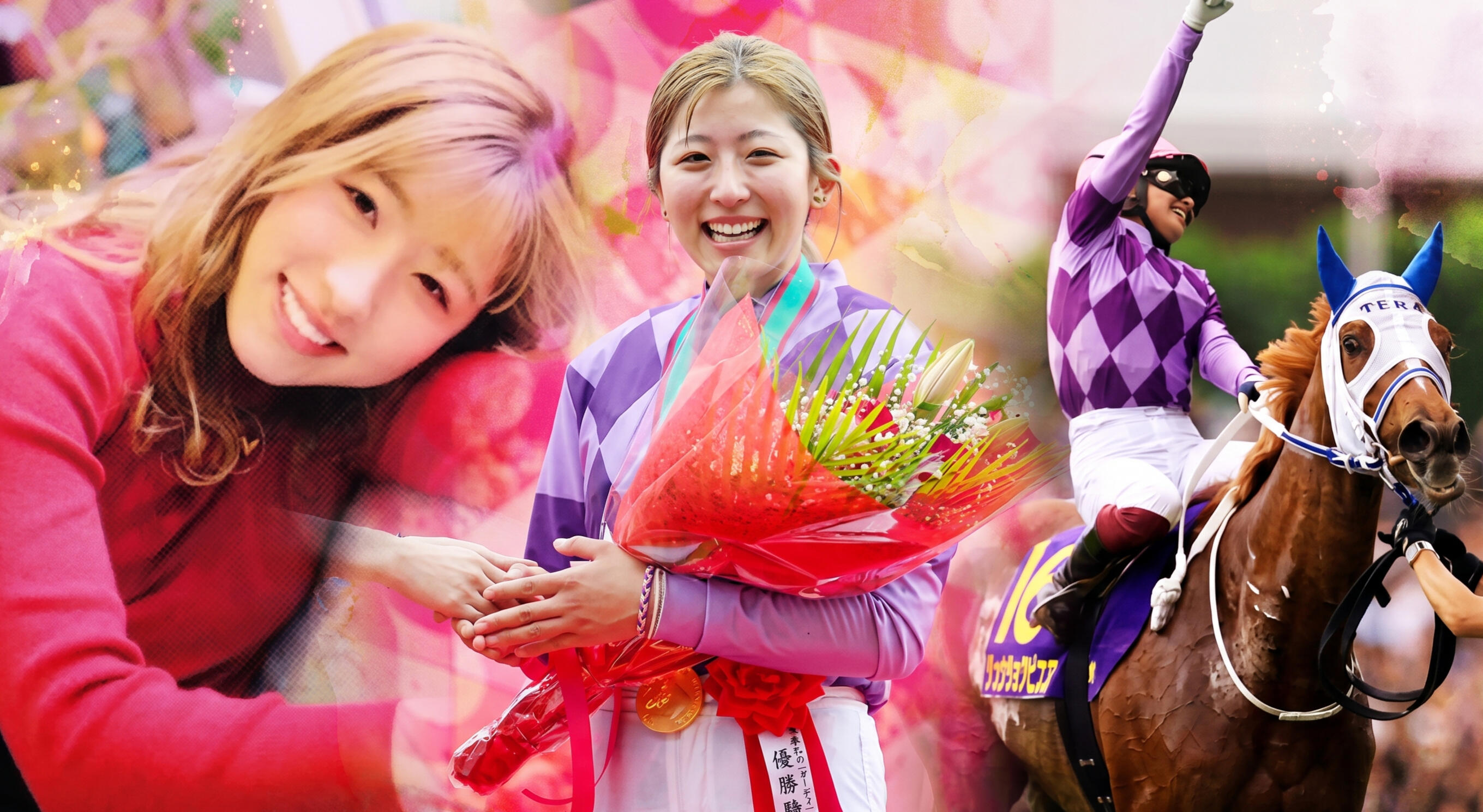
Juryoku Pierrot was trained by Ryo Terashima, the trainer with whom Imamura had been connected since the start of her professional career.The daughter of Orfevre had initially raced on dirt before moving successfully onto turf.By spring 2026, she had become good enough to put Imamura back into a Classic.The Japanese Oaks, also known as the Yushun Himba, is run over 2,400 metres at Tokyo and is the second race of Japan’s fillies’ Classic programme after the Oka Sho.Its recent roll of honour included horses such as Almond Eye and Liberty Island.This was not simply another chance to add one more winner to Imamura’s career total.Juryoku Pierrot reached the Oaks by a different route from many of the fillies who had contested the Oka Sho. She won a Listed race over 2,000 metres at Hanshin on the same day as the Guineas.Terashima liked the way she finished and believed the extra distance at Tokyo could suit her.There were unknowns.Juryoku Pierrot had never raced over 2,400 metres.She had never raced at Tokyo.For Imamura, patience would be important.“It’ll be important for her to find a good rhythm,” she said before the race.That sounds like a fairly normal pre-race jockey comment, but in this case it gets close to the heart of the job.Ignore the history that might be made.Ignore the attention surrounding the jockey.Ignore what winning might mean.Settle the horse.Save her energy.Give her a chance to stay the distance.Imamura had spent several years trying to rebuild her own career.Now she had to make sure she did not ask the horse underneath her to solve everything too soon.Keep an Eye on Christophe LemaireTerashima gave Imamura one useful piece of advice before the Oaks.Watch Christophe Lemaire.Imamura had not enjoyed huge success at Tokyo, while Lemaire knew the course exceptionally well.On May 24, Lemaire rode Dream Core.Imamura had Juryoku Pierrot.The 22-year-old settled her filly towards the rear before bringing her through horses in the straight.It was close.Very close.The first six horses finished within a length and a half of one another.Juryoku Pierrot, sent off as the fifth favourite, reached the line a neck ahead of Lemaire and Dream Core, with Damian Lane and Laughterlines finishing third.The time was 2 minutes 25.6 seconds.Juryoku Pierrot carried 55kg.For Imamura, this had been only her third ride in a Grade 1 race.She had won it.Terashima had also won his first JRA Grade 1.“It’s like I’m dreaming!”Four years earlier, Imamura’s first graded success had come by going straight to the front on an exceptionally quick sprinter.This one required something very different.She had to wait.She had to settle Juryoku Pierrot, stay calm in traffic and trust that the opportunity would come.When it did, she took it.There was another connection that made the result even better.Her first professional winner had come for Terashima.Now her first Grade 1 winner had as well.Between those two races had come 51 wins in a season, a suspension, declining totals, an injured shoulder, surgery, rehabilitation, a change of working scene and the 100th JRA victory she believed had taken too long to arrive.None of those setbacks needed to happen for the Oaks to mean something.There is no sporting law that says difficult times must eventually turn out to have been useful.They simply happened.Imamura kept going.Then the right horse appeared.At Tokyo, she gave her the right ride.

The Famous Female Jockey Club
The wording around Imamura’s Japanese Oaks victory matters.She became the first Japanese woman to win a JRA Grade 1 race.She was not the first woman of any nationality to win at that level in Japan.Rochelle Lockett won the 2002 Nakayama Daishogai aboard Gilded Age, a Grade 1 race over jumps.In February 2025, Australian Rachel King became the first woman to win a JRA Grade 1 on the Flat when Costa Nova won the February Stakes.Imamura’s place in the record books is different.She became the first Japanese female jockey to do it, and she did it in one of the country’s Classics.Japanese riders such as Nanako Fujita and Manami Nagashima had already broken other ground.Both reached 100 JRA victories before Imamura.Each success has helped move the question slightly further forward.The first woman to do something makes headlines.Then another woman does something else.Eventually, the hope must be that seeing a woman winning a major race becomes less surprising.Imamura herself had spoken about that subject years before the Oaks.“I don’t want girls to give up because they are girls,” she said in 2022.It is difficult to offer a more practical answer to that problem than winning a Classic.Imamura, Rachael Blackmore and Michelle PayneFor racing fans outside Japan, two obvious comparisons are Rachael Blackmore and Michelle Payne.The circumstances are very different, but each rider owns one of those victories that changed how she was viewed far beyond the normal racing audience.Blackmore became the first female jockey to win the Grand National when Minella Times won at Aintree in 2021.A year later, she won the Cheltenham Gold Cup aboard A Plus Tard.By the time she retired in May 2025, Blackmore had accumulated 18 Cheltenham Festival victories.Her career shows what can happen after the historic result.The breakthrough attracts attention, but repeated success keeps the focus on the riding rather than the record.Michelle Payne’s defining race came in the 2015 Melbourne Cup.Prince Of Penzance was a 100/1 outsider.Payne became the first woman to win Australia’s most famous horse race.She later moved away from race riding, with her retirement confirmed in 2024 as she focused more heavily on training.Payne and Imamura both achieved their landmark wins in major Flat races that required horses to stay, although the Melbourne Cup and Japanese Oaks are very different contests.The Melbourne Cup is a handicap open to older horses.The Japanese Oaks is a Classic restricted to three-year-old fillies.Blackmore became famous through jump racing.Different countries, different racing systems, different horses.The connection comes from what happens after the winning post.A jockey accepts a booking.A trainer and owner trust that jockey with the horse.The race is run.Suddenly the result carries meaning far beyond the people directly involved.That can be useful, particularly when young girls looking at the sport now have another name they can point towards.It can also place a lot of responsibility on one rider.Imamura has always appeared more comfortable with the simpler version.Judge the riding.
What Do Seina Imamura's Career Numbers Look Like?
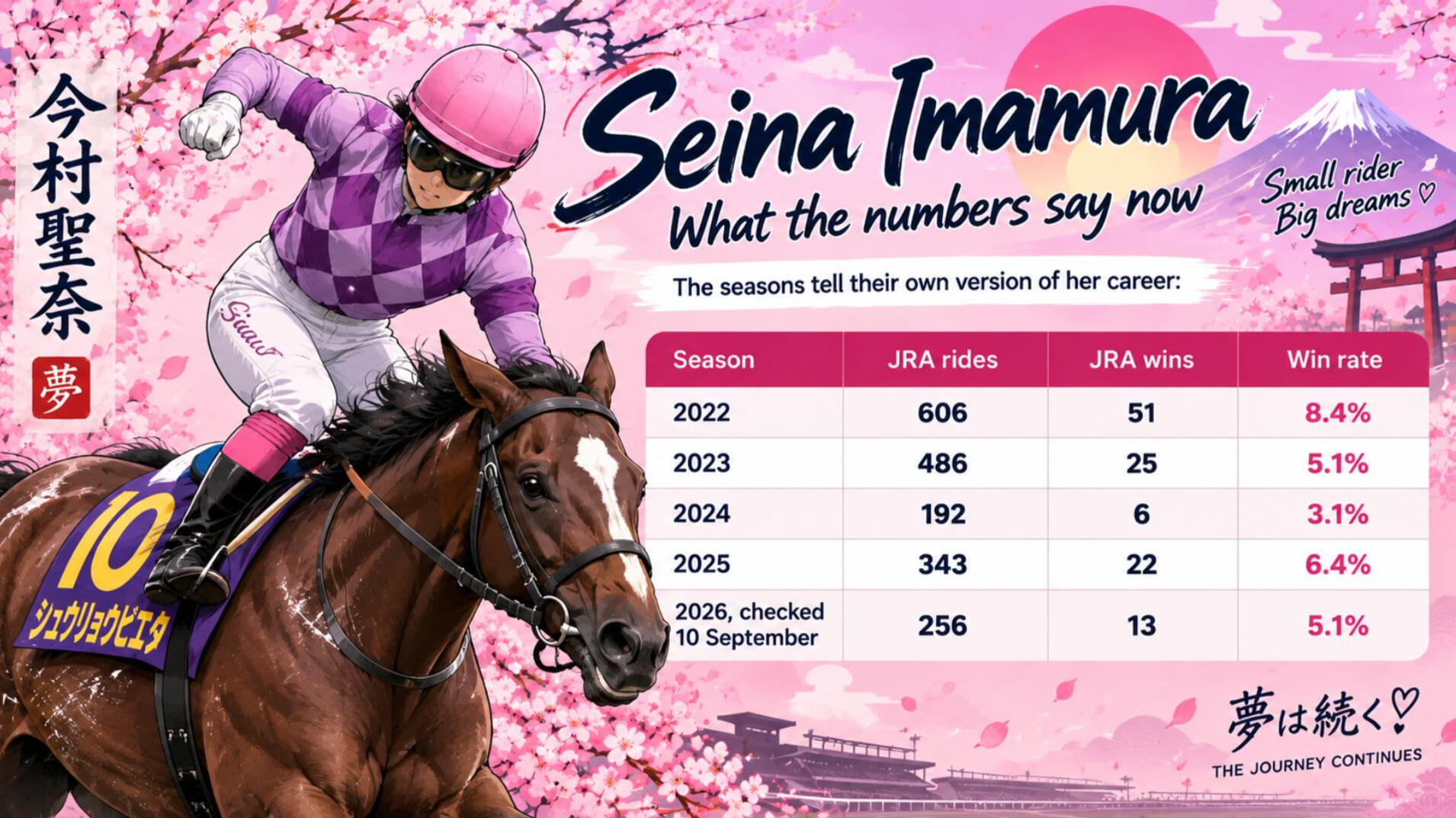
Imamura’s JRA results up to September 10, 2026 tell a striking story.In 2022 she had 606 rides and 51 wins, giving her an 8.4 per cent win rate.In 2023 that fell to 25 winners from 486 rides, a 5.1 per cent return.Her injury-affected 2024 season produced six wins from 192 rides, or 3.1 per cent.She improved in 2025 with 22 winners from 343 rides, equal to 6.4 per cent.By September 10, 2026, she had recorded another 13 JRA victories from 256 rides, a win rate of 5.1 per cent.That put her JRA career record at 117 winners from 1,883 rides at the time the figures were checked.There is an obvious oddity in those statistics.The season containing her greatest ever victory is not her best season by total winners.That was 2022.Yet few people would seriously argue that a first-season winner at Niigata carries the same weight in a career as winning the Japanese Oaks.Statistics count them both as one.Careers do not.Regular winners matter enormously because they keep jockeys in work and help earn better rides.Major winners can alter how a rider is regarded.Imamura has now experienced both ends of that equation.
Seina Imamura: the questions readers ask
How Old Is Seina Imamura?
Imamura was born on November 28, 2003.That makes her 22 as of September 2026, with her 23rd birthday due in November.She comes from Shiga Prefecture and remains attached to Ryo Terashima’s stable at Ritto.Her spell riding work at Miho during 2025 was a temporary move intended to help her work with more stables and create further opportunities.How Tall Is Seina Imamura?Imamura’s JRA rookie profile in 2022 listed her as 158.5cm tall and weighing 47.4kg.Those figures were recorded when she was a teenage rookie and should not automatically be treated as current measurements several years later.The body weight of a jockey should also not be confused with the racing weight carried by a horse, which includes equipment.Is Seina Imamura Married or Does She Have a Boyfriend?There is no reliable information in the sources used for this profile confirming Imamura’s current relationship status.Her racing career is highly public.Her private relationships are not.Unless Imamura chooses to discuss that part of her life publicly, anything more would simply be speculation.What Is Seina Imamura's Net Worth?There is no reliable published figure for Seina Imamura’s personal wealth.Race databases can show prize money earned by horses she has ridden, but that figure is not the same as the jockey’s personal income.Jockeys receive only part of the earnings connected with a horse, and any serious estimate of personal wealth would also need to take account of sponsorship, management income, expenses, assets and other private financial information.Putting a large number next to her name based only on horse prize money would therefore be guesswork.Does She Ride on Both Turf and Dirt?Yes.Imamura has ridden on both main racing surfaces used in Japan.Her two major graded victories covered in this profile, the CBC Sho aboard T M Spada and the Japanese Oaks aboard Juryoku Pierrot, both came on turf.Is Seina Imamura Still Riding?Yes.As of September 2026, Imamura remains an active jockey.Her recent record included JRA rides during early September and a winner in local racing at Kawasaki on September 8.The Japanese Oaks was not some final high point before disappearing from view.It was the biggest result of a career that is still being written.So What Comes Next?When Imamura was asked early in her career which race she most wanted to win, she named the Arima Kinen.The Japanese Oaks would later become the result that put her permanently into racing history, but the Arima Kinen had already caught her imagination.That remains interesting because at 22, Imamura is still young enough for her career to take several different directions.The Oaks guarantees her one line that will never be taken away.First Japanese woman to win a JRA Grade 1.Everything else is still open.There will be more injuries to avoid, more rides to earn and more young jockeys competing for the same horses.The Japanese Oaks does not automatically guarantee another Grade 1 mount.What it does prove is that when Imamura received one genuine opportunity on a filly capable of winning a Classic, she was good enough to take it.That matters.The easiest version of her story would have ended after 2022.Teenage sensation wins 51 races, lands a graded contest in record time and becomes one of Japanese racing’s brightest young names.Sport rarely stays that simple.The next two seasons brought 25 winners and then six. A poor decision cost her a month on the sidelines. An injury took away far more. By 2025, even reaching 100 JRA victories left Imamura thinking about how long it had taken rather than how impressive the achievement was.Then Juryoku Pierrot came along.At Tokyo, Imamura did not ride like an 18-year-old rookie trying to make everybody notice her. She settled her horse, waited and found the right moment.Christophe Lemaire was the jockey she had been told to watch.At the finish, he was the one behind her.Perhaps that is the best way to understand Seina Imamura.The girl at racing school did not want anyone telling her second place was good enough because she was female.She wanted to win.Years later, on one of the biggest afternoons in Japanese racing, she did.The Oaks belongs to her now.The rest of the career still has to be earned.
© All rights reserved.